Emergency: Snake Bite or Dangerous Wildlife Encounter
Call 000 IMMEDIATELY
Apply pressure immobilisation bandage if possible. Keep patient still and calm.
Emergency Contacts
For snake removal: Search for local licensed snake catchers in Mareeba
DO THESE IMMEDIATELY
- 1.Call 000 - Get help coming immediately
- 2.Keep patient still and calm - Movement spreads venom
- 3.Apply pressure immobilisation bandage - Firm bandage over bite, wrap entire limb, then splint
- 4.Note snake appearance - Size, color, markings (don't try to catch it)
DO NOT DO THESE
- ✗ DO NOT wash the bite area (venom helps with identification)
- ✗ DO NOT cut, suck, or apply tourniquet
- ✗ DO NOT try to catch or kill the snake
- ✗ DO NOT give patient food, alcohol, or medication
- ✗ DO NOT allow patient to walk or move
Filter by Category
Eastern Brown Snake
Pseudonaja textilis
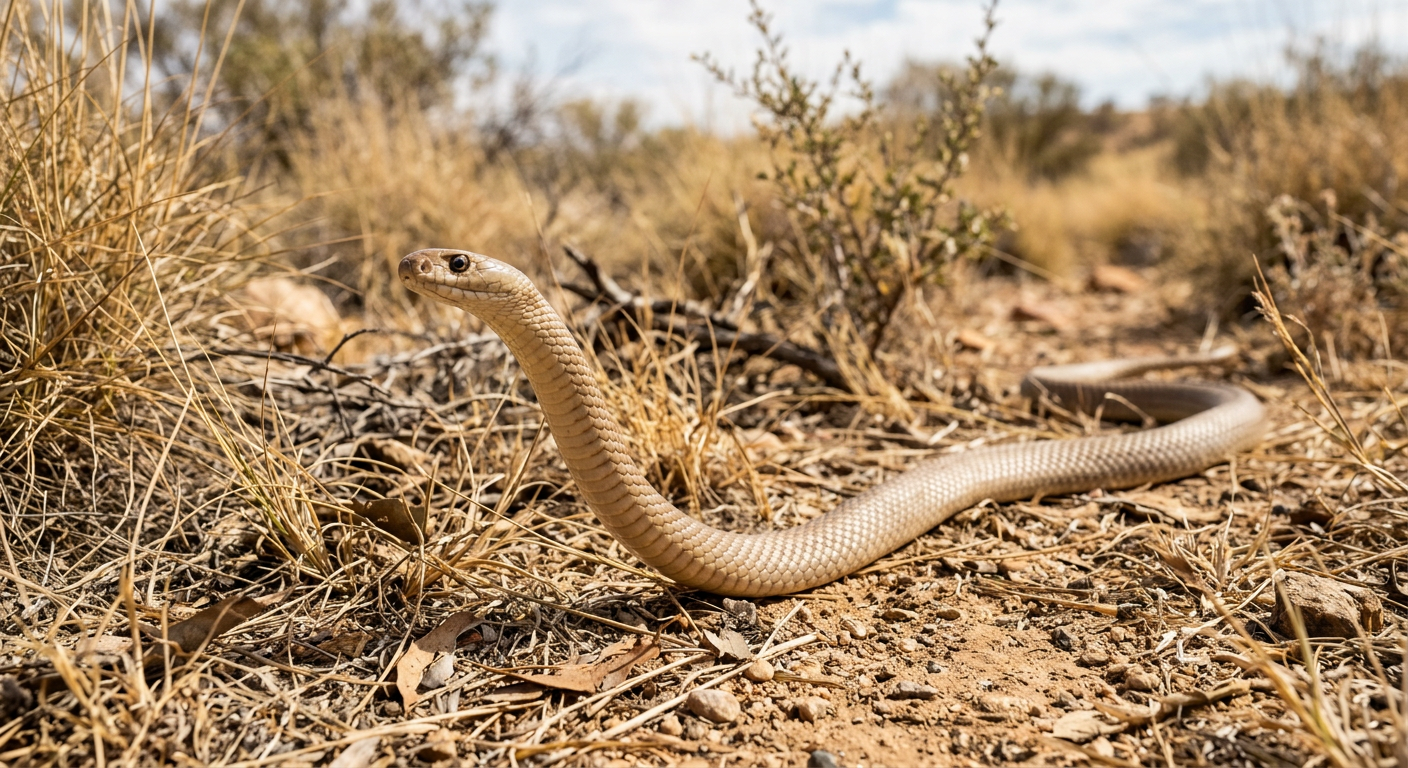
ID Reference Photo
Appearance
Light brown to dark brown, slender, up to 2m
Habitat
Open grasslands, farmland, edges of bush
Behaviour
Fast, aggressive when cornered, responsible for most snake deaths in Australia. Active mainly Oct-Mar, bask in morning sun
First Aid
Call 000 immediately. Apply pressure immobilisation bandage. Keep patient still.
Coastal Taipan
Oxyuranus scutellatus
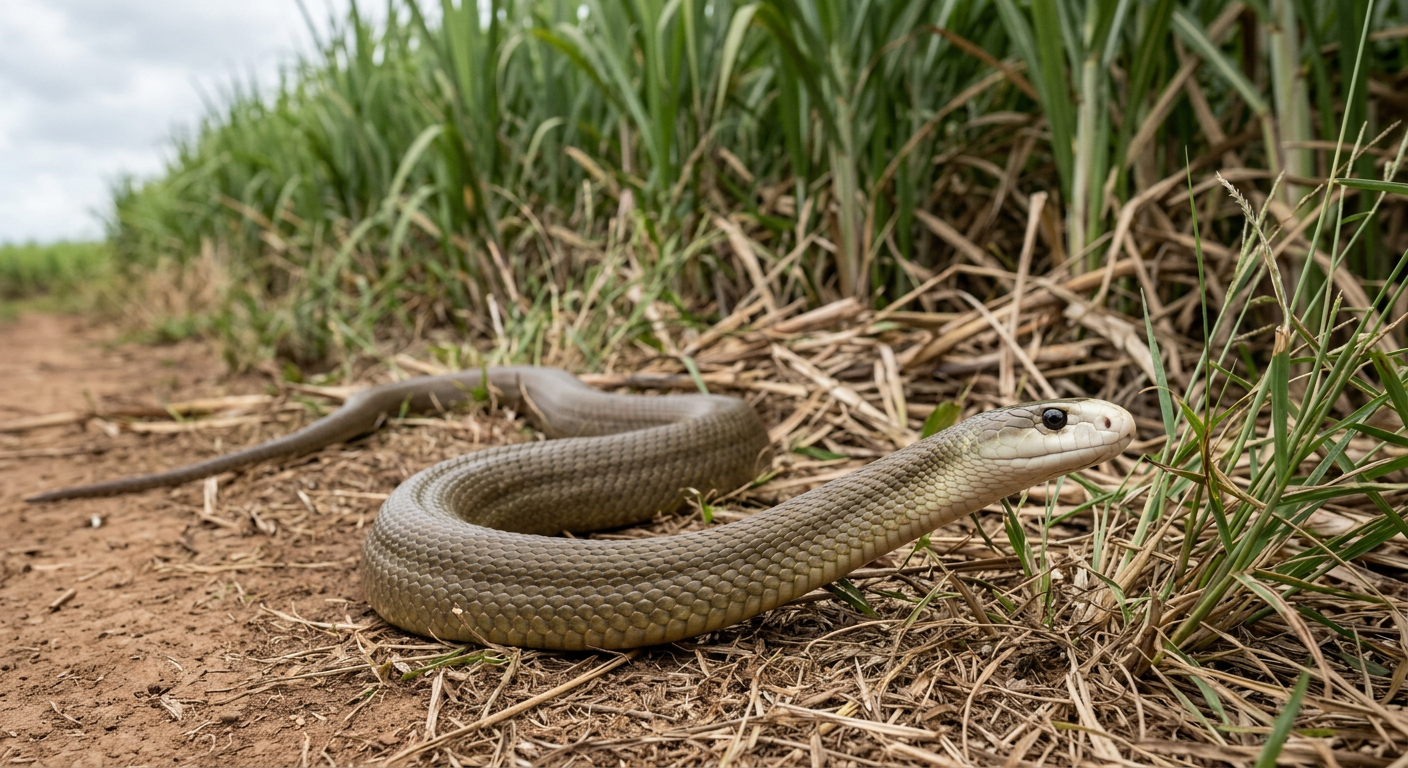
ID Reference Photo
Appearance
Olive/dark brown, large (up to 3m), lighter head
Habitat
Sugarcane fields, grasslands, rainforest edges
Behaviour
Very fast, nervous, will strike multiple times. Active year-round in warm climate
First Aid
Call 000 immediately. Apply pressure immobilisation bandage. Keep patient still.
Red-bellied Black Snake
Pseudechis porphyriacus
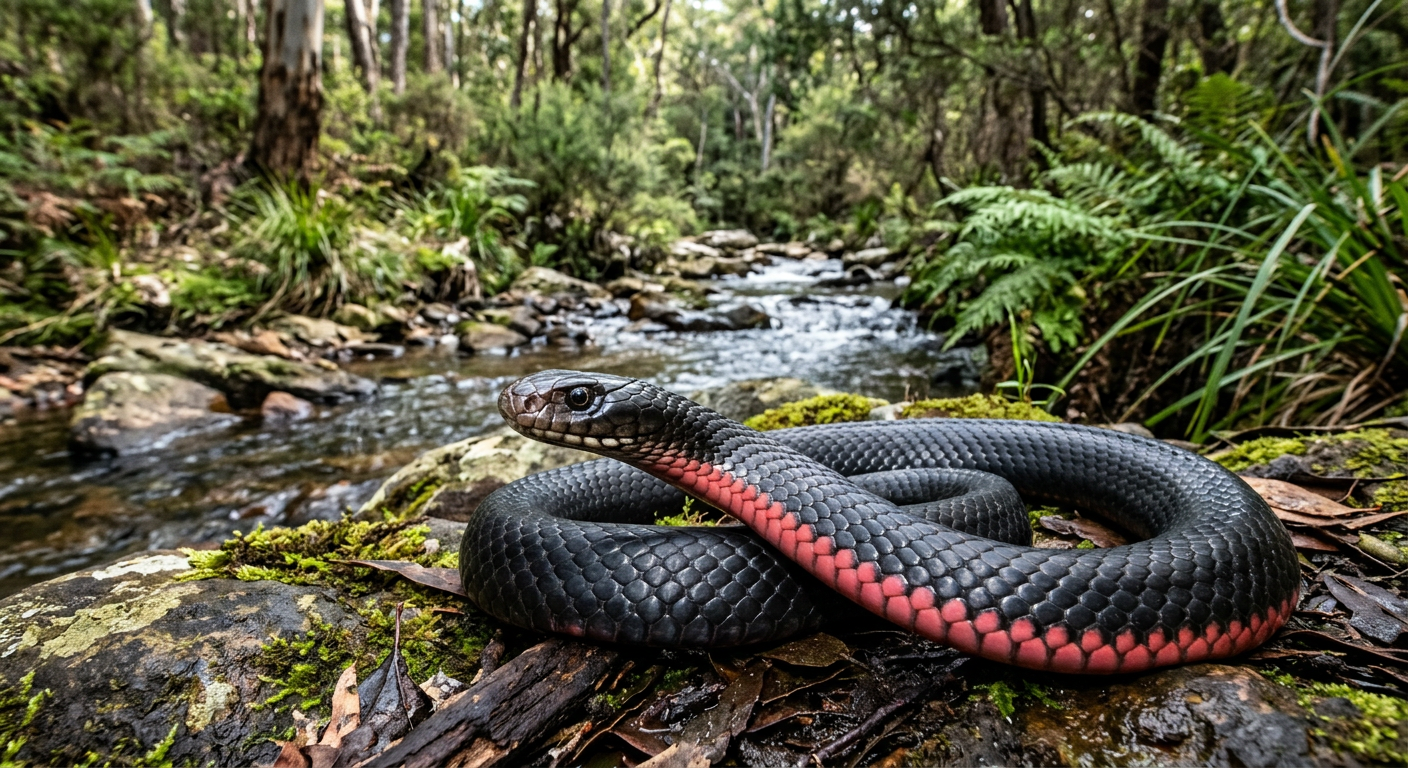
ID Reference Photo
Appearance
Glossy black upper, red/pink belly, up to 2m
Habitat
Near water, creeks, dams, swamps
Behaviour
Generally shy, will flee. Less aggressive than browns
First Aid
Call 000. Apply pressure immobilisation bandage. Keep patient still.
Common Death Adder
Acanthophis antarcticus
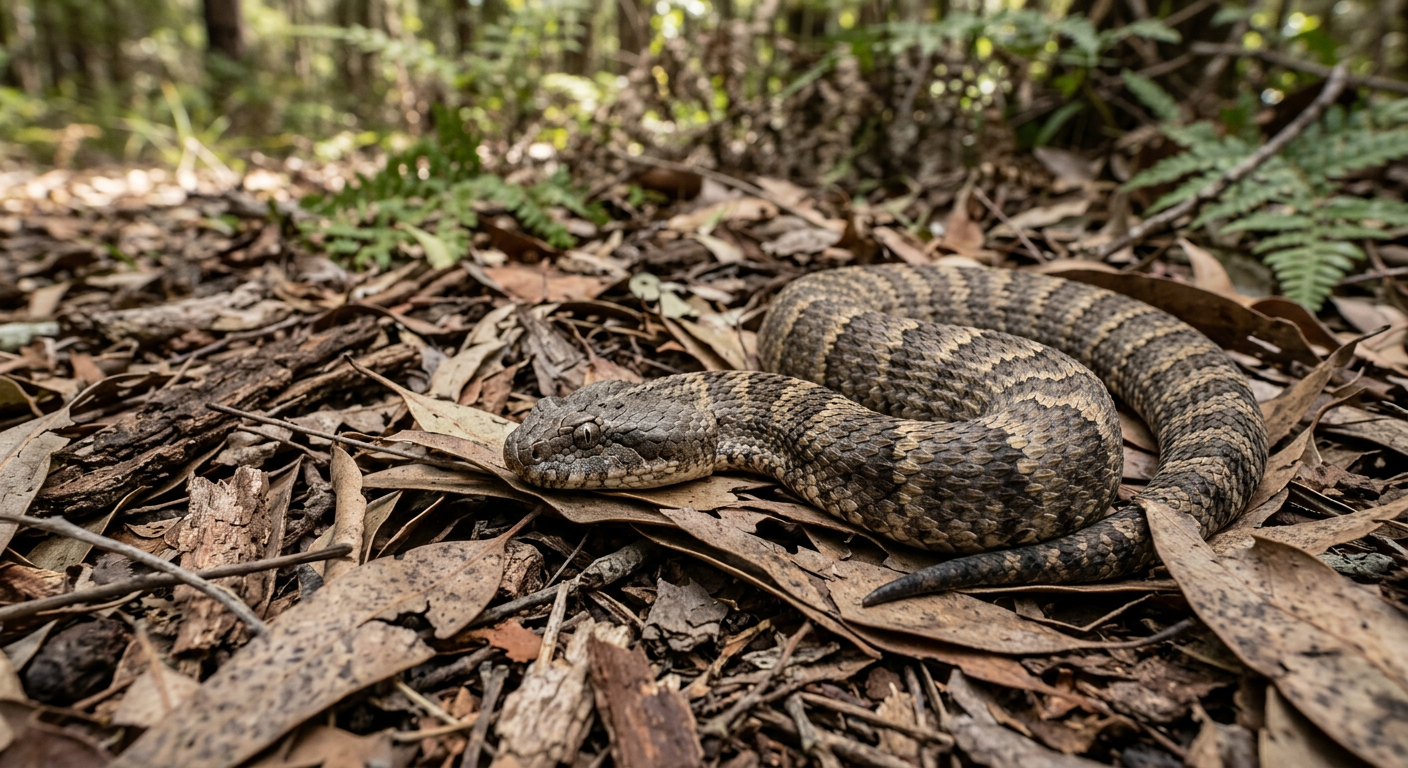
ID Reference Photo
Appearance
Short, thick body, triangular head, grey/brown with bands
Habitat
Leaf litter, rocky areas, well camouflaged
Behaviour
Ambush predator, doesn't flee - steps on rather than away
First Aid
Call 000 immediately. Apply pressure immobilisation bandage. Keep patient still.
Scrub Python
Simalia kinghorni
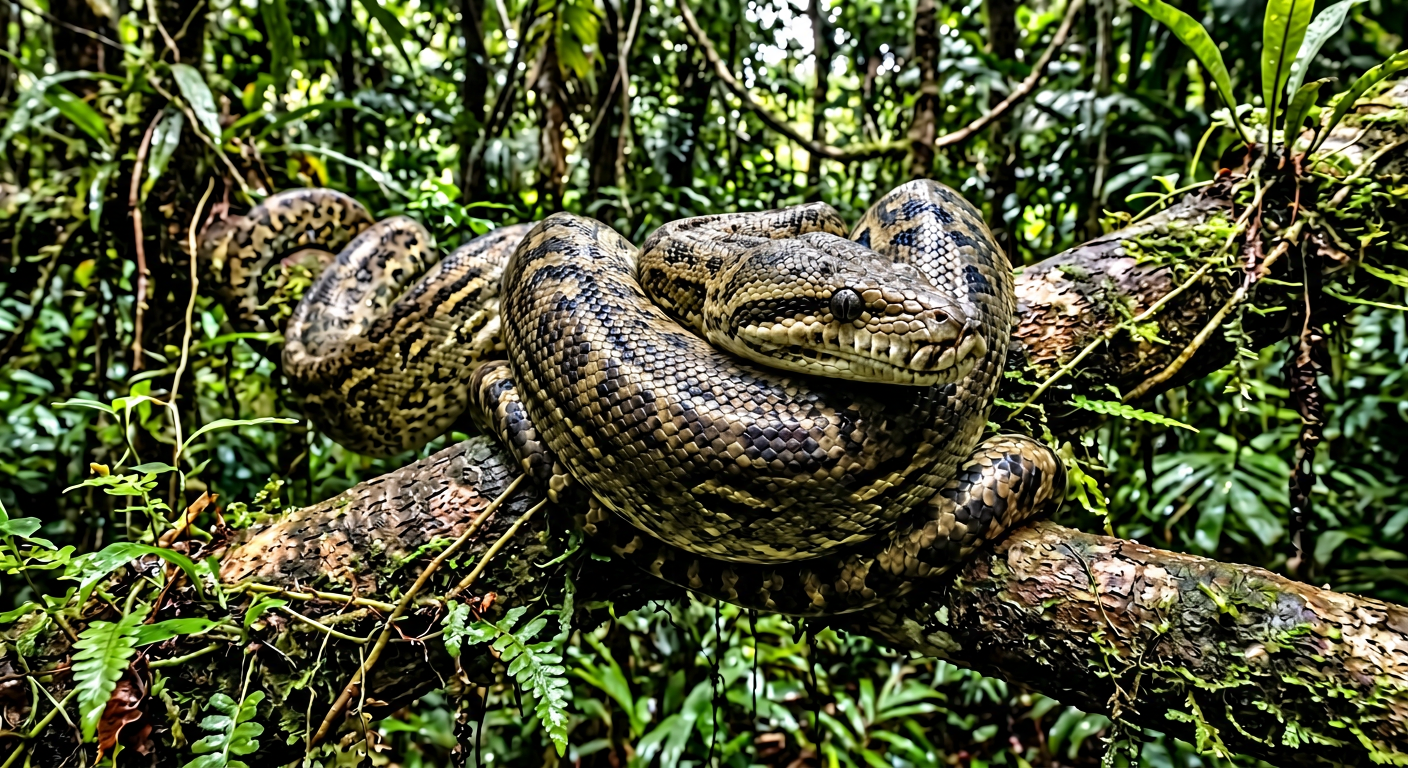
ID Reference Photo
Appearance
Olive/brown with darker blotches, very large
Habitat
Rainforest, near houses for rats/chickens
Behaviour
Constrictor, not venomous but can bite
Common Tree Snake
Dendrelaphis punctulatus
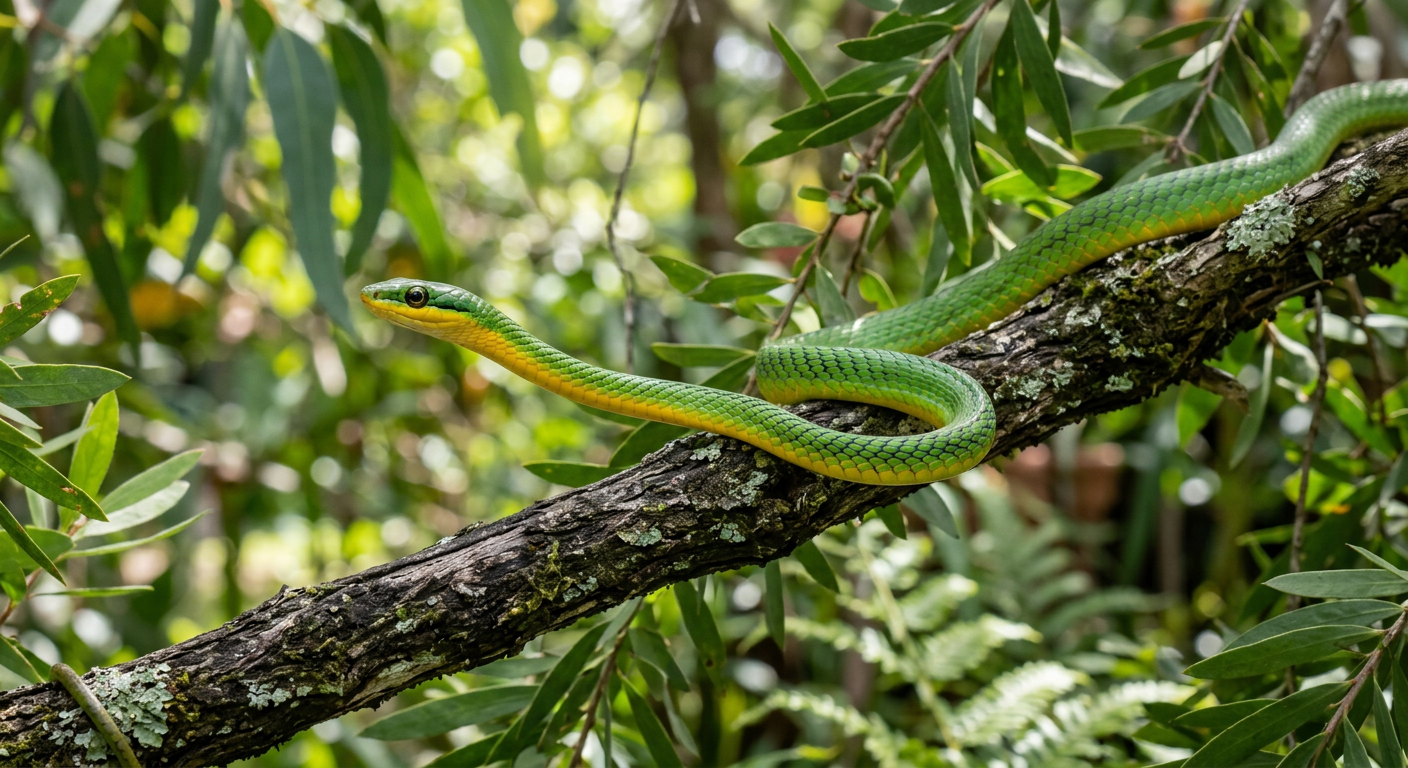
ID Reference Photo
Appearance
Slender, bright green/gold/blue, up to 1.5m
Habitat
Trees, gardens, near water
Behaviour
Fast, excellent climber, will flee
Saltwater Crocodile
Crocodylus porosus
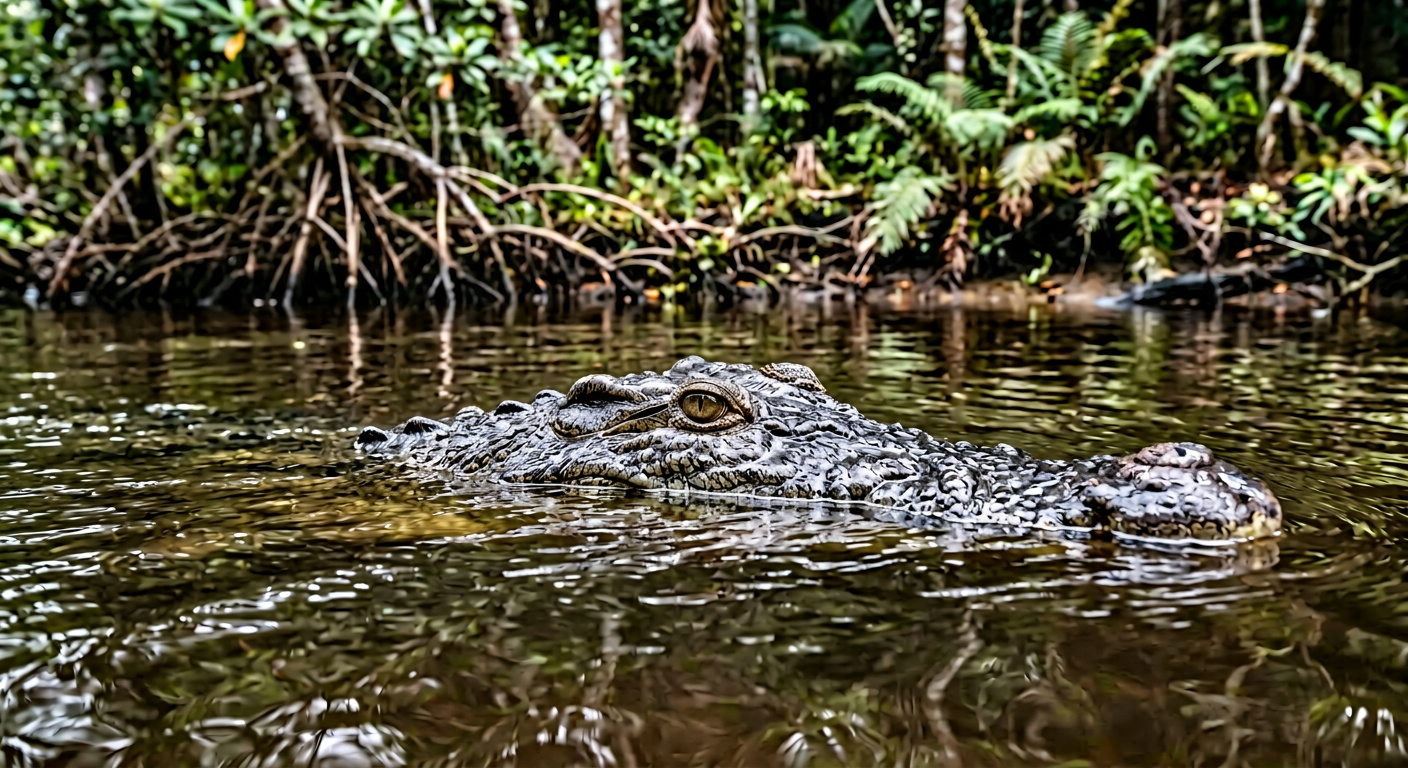
ID Reference Photo
Appearance
Large reptile, up to 6m+
Habitat
Barron River (lower sections), Mitchell River, creeks
Behaviour
More active in warmer months, nesting Nov-Mar. Never swim in rivers/creeks unless confirmed croc-free. Stay 5m from water's edge.
Cassowary
Casuarius casuarius
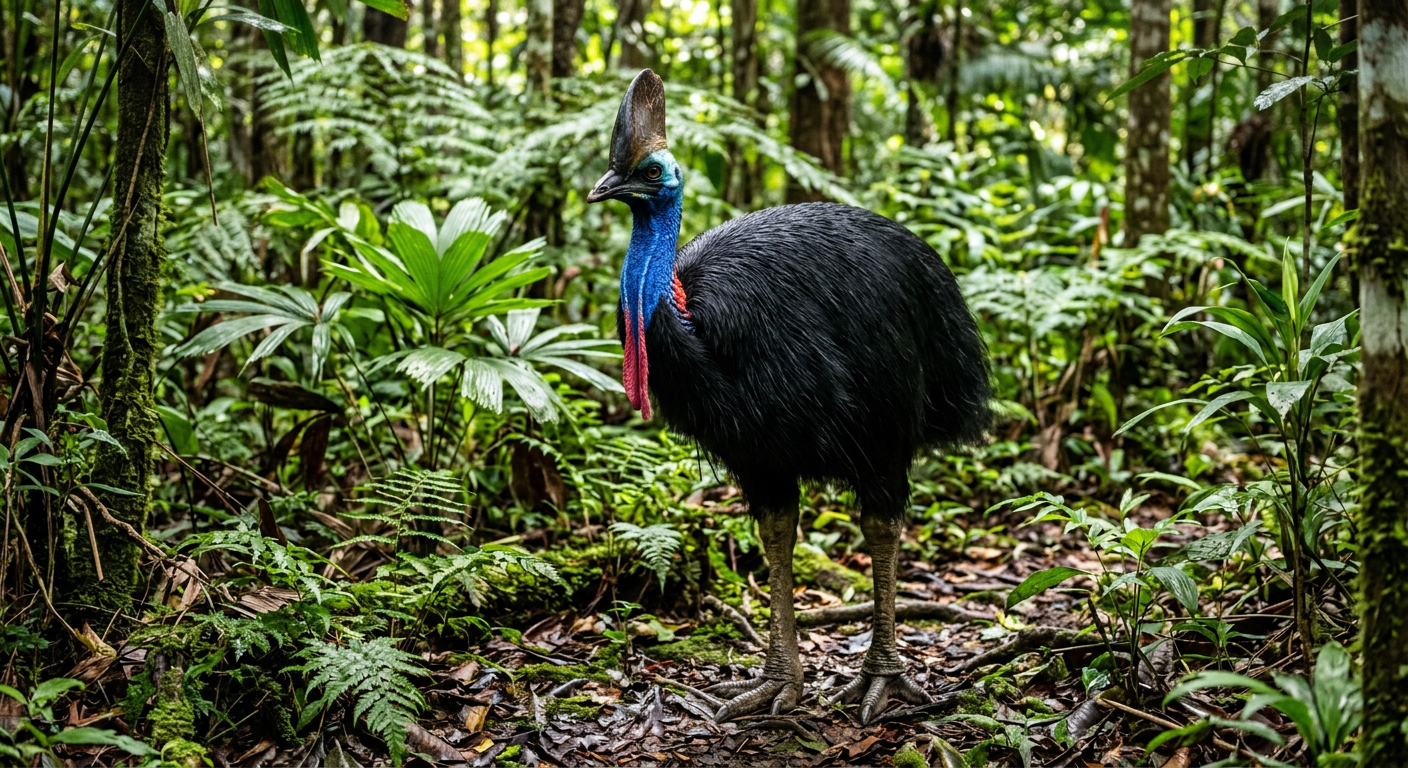
ID Reference Photo
Appearance
Large flightless bird, blue/black plumage, distinctive casque
Habitat
Kuranda rainforest area, Daintree
Behaviour
Protected species - do not approach or feed. Can cause serious injury with claws
Cane Toad
Rhinella marina

ID Reference Photo
Appearance
Large brown toad, warty skin, up to 15cm
Habitat
Everywhere in FNQ
Behaviour
Keep pets away, deadly to dogs
Funnel-web Spider
Atrax/Hadronyche spp.
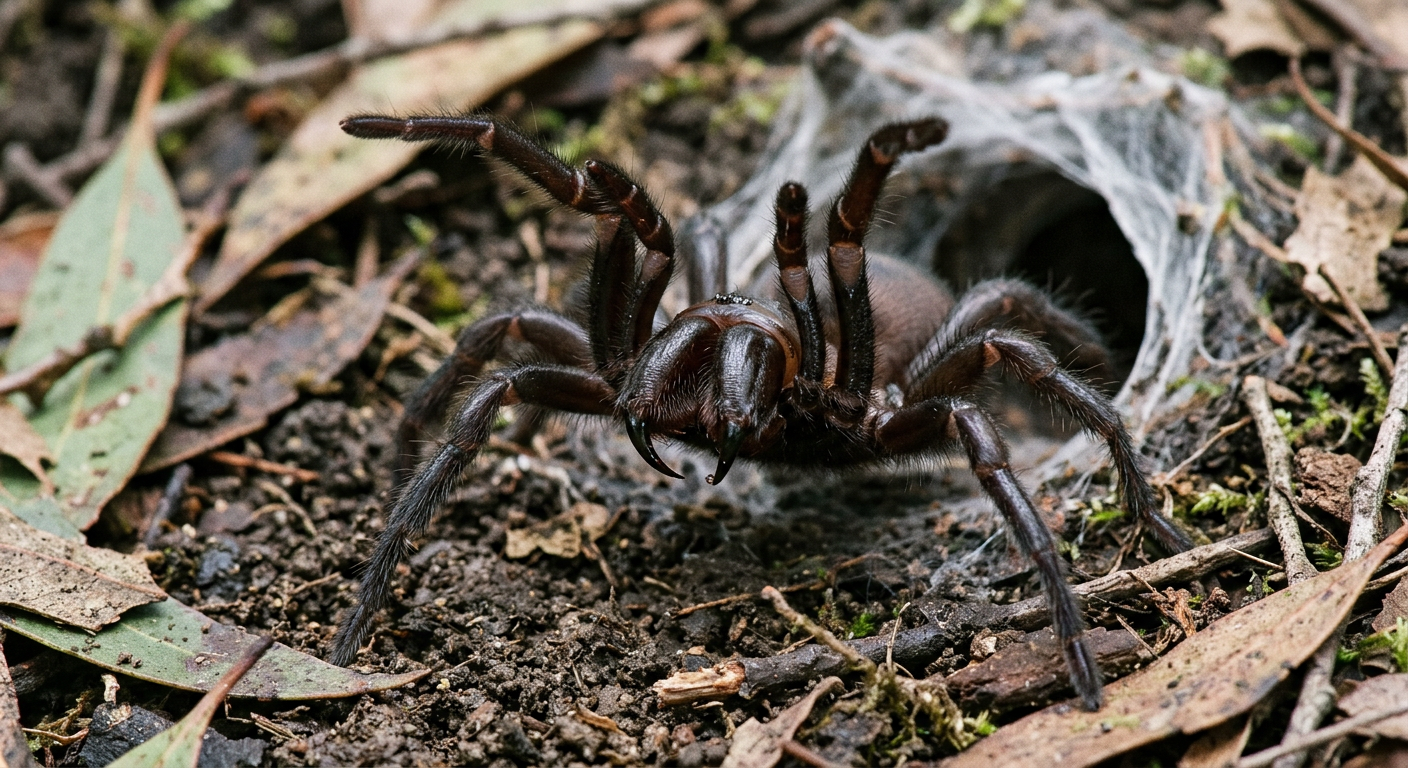
ID Reference Photo
Appearance
Dark brown/black, large fangs, glossy carapace
Habitat
Moist areas, under logs, in gardens
Behaviour
Aggressive when threatened
First Aid
Pressure immobilisation bandage. Call 000.
Paralysis Tick
Ixodes holocyclus
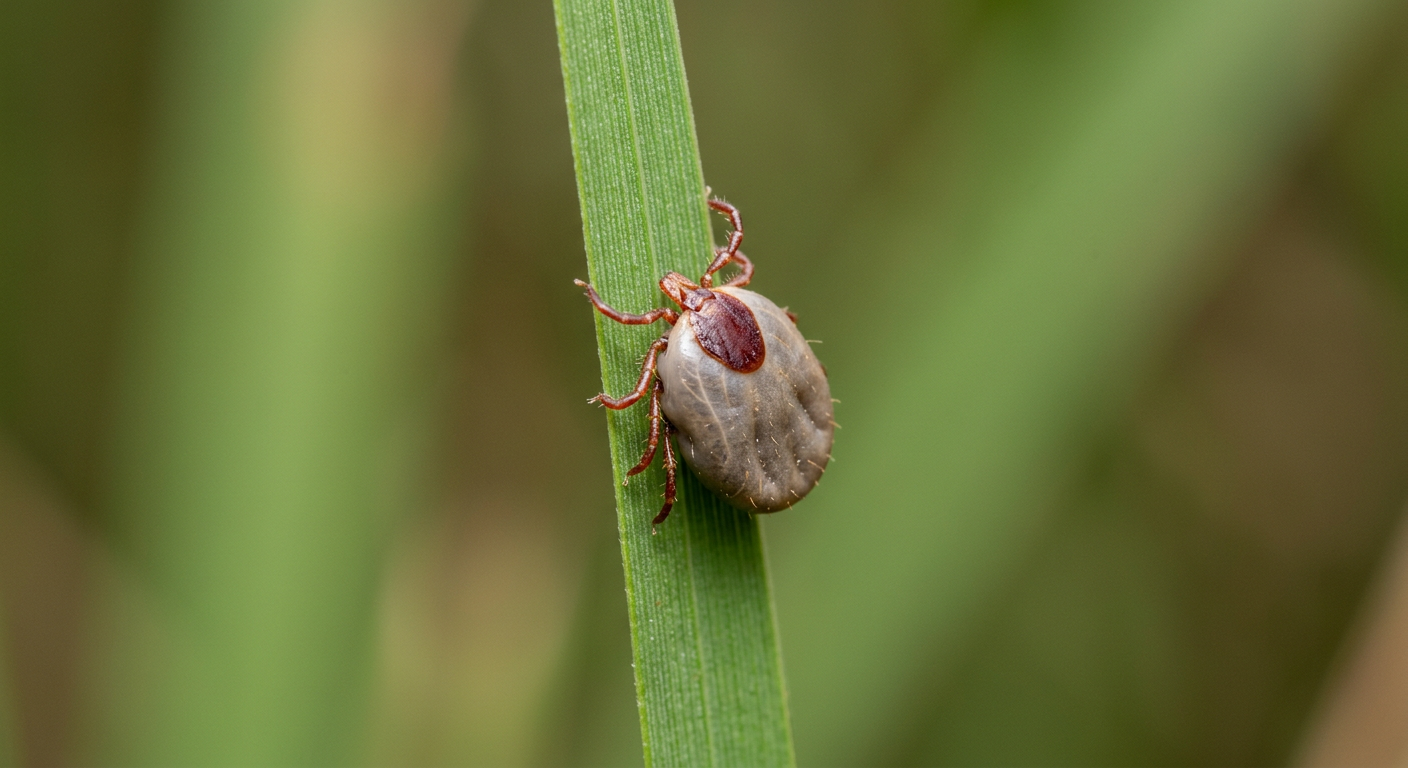
ID Reference Photo
Appearance
Small arachnid, grey when engorged
Habitat
Tall grass, bush edges
Behaviour
Prevention: Check pets daily, use tick prevention
Disclaimer: This guide is for general information only and should not be used as a substitute for professional medical advice. Always seek immediate medical attention for snake bites or dangerous wildlife encounters. Snake identification can be difficult - when in doubt, treat all snake bites as potentially life-threatening. Information is based on species commonly found in Mareeba Shire and Far North Queensland as of 2026.